
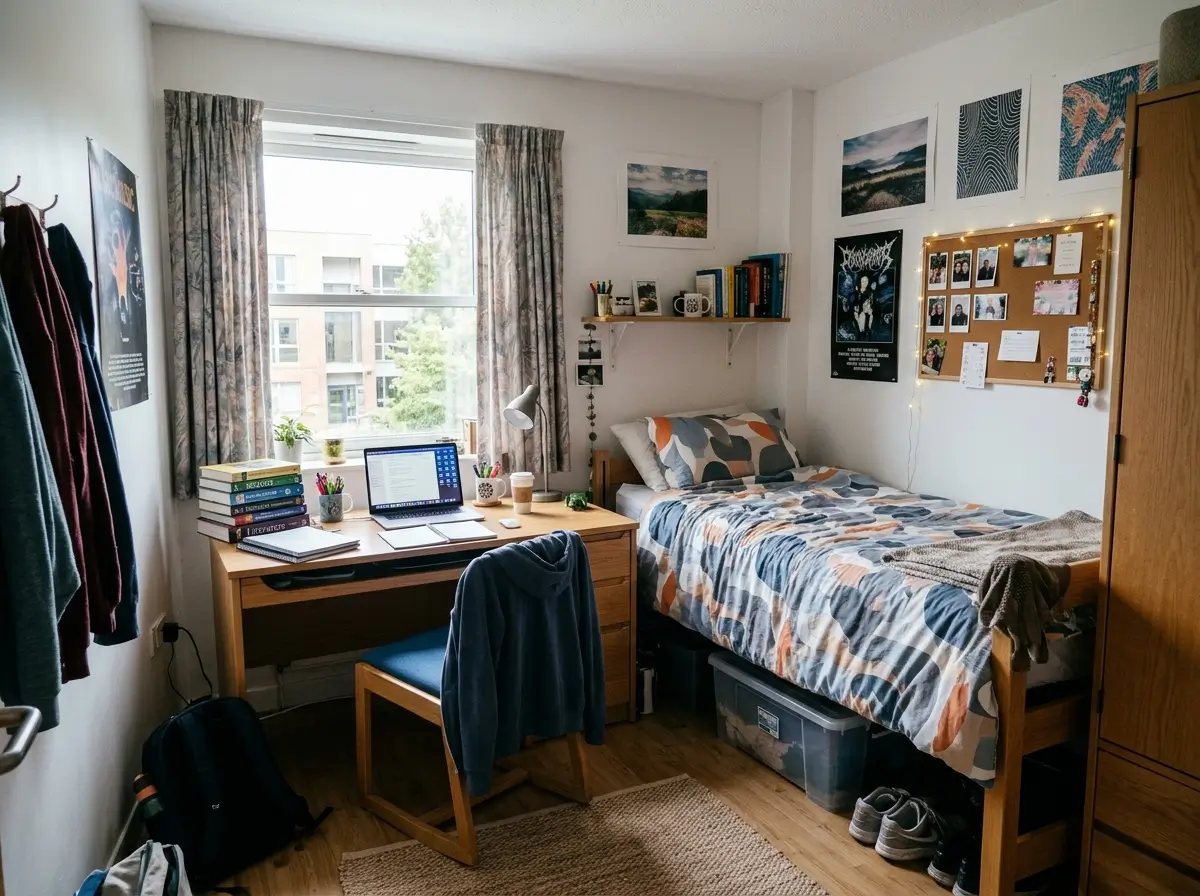
It’s no secret that San Diego, CA is an expensive place to live. Average monthly rent alone ranges from $2,200 to over $3,000, depending on the neighborhood, so it’s no surprise that building student housing also costs a lot. Reports show it costs around $360,000 to build a bed in 2 residence halls at California State University.
In some locations, it can reach up to $400,000. As a San Diego rental property owner, you can help solve the student housing crisis while gaining access to a new tenant pool. To do that, you need to make a few adjustments to make your rental student-friendly. Here’s what you should do.
Key Highlights:
- Location drives demand. Proximity to campus and transit can't be changed, so confirm demand through the university's off-campus housing office. Check what students pay per bedroom and whether new housing is coming that could fill the gap.
- No student-specific laws exist, but all rental laws apply. San Diego landlords must follow state and local rules, including the AB 1482 rent cap of 8.2% for increases effective August 1, 2026 through July 31, 2027.
- Just cause applies from day one. The City of San Diego's Residential Tenant Protections Ordinance requires just cause from the first day of tenancy and can reach single-family rentals, so structure by-the-room leases carefully.
- Permits and codes protect your investment. Check occupancy, bedroom size, egress, and smoke and carbon monoxide detector requirements with the City's Development Services Department before adding a bedroom. Unpermitted conversions can lead to penalties and costly revisions.
- Design for shared living. Limit each bathroom to three or four renters, convert dens or dining rooms where habitability standards allow, and furnish the space with the basics to attract out-of-state students and justify a premium.
Start with the Market
Before you make major changes, confirm they actually want what you can offer. Yes, you can adjust your rental property to suit student housing, but there are things you can’t change, like proximity to schools or whether you’re on a direct transit line.
Visit the university's off-campus housing office, which often publishes vacancy data and typical rents. Look at current listings near campus and note what students pay per bedroom, what's included, and how quickly rooms fill. Check whether nearby demand is rising, or whether ongoing new-construction housing will help cover the shortage.
Know the California and San Diego Legal Landscape
This is where San Diego differs most from other college towns, and where landlords get into trouble. The good news is that you don't have to worry about student-specific laws, but you still need to follow all rental laws.
Rent Increases
Under AB 1482, San Diego County's cap for increases effective August 1, 2026 through July 31, 2027 is 8.2%, which is 5% plus 3.2% regional CPI. That means that even if you can benefit from the new tenant pool, there’s a limit to your rent price during peak seasons.
Just Cause
San Diego tenants are protected by a local rule called the Residential Tenant Protections Ordinance, which requires just cause from the first day of tenancy and not after a year. It can reach even single-family rentals that AB 1482's exemption notice would otherwise exclude. Structure your leases carefully to prevent issues with by-the-room tenancies.
Security Deposits
Since July 1, 2024, security deposits can’t exceed one month’s rent for most landlords, except small landlords. Landlords must return deposits within 21 days after the tenancy ends, along with an itemized statement if there are any deductions.
Permits and Codes
Occupancy, bedroom size, egress, and smoke and carbon monoxide detector requirements all come from state and local housing codes. Check these with the City of San Diego's Development Services Department before adding a bedroom. An unpermitted garage or room conversion can cost you more in the long run because of penalties and required property revisions.
Redesign the Layout for Shared Living
One of the biggest defining elements of student housing is shared space. Although students want a private bedroom, they are fairly open to sharing certain amenities and facilities. One bottleneck is the bathroom, and it’s better to limit each bathroom to no more than 3 or 4 renters.
You can also add more rooms, given how San Diego has been relatively friendly to ADUs. It’s still recommended to check ADU regulations to stay legally compliant. A den or a dining room can easily be converted into a bedroom, as long as you meet habitability standards.
Decide Whether to Furnish
Furnished rental properties will tend to attract out-of-state students and even let you charge a premium for the convenience of not having to bring their own furniture. Students don’t typically need much, so you can stick to the basics like a bed frame, a mattress, a desk, a chair, and a dresser.
For kitchen amenities, you can provide a functional kitchen that residents can share. Mostly, students will bring their own appliances like an electric hot pot, an electric kettle, or an air fryer. Make sure your lease rules outline cooking safety to avoid fires in rooms. You can even restrict certain appliances that pose too much risk.
FAQs
Are there special laws for renting to students in San Diego?
- No. No student-specific laws exist, but you must follow all California and San Diego rental laws, including rent caps, just-cause rules, and security deposit limits.
How much can I raise rent on a student rental?
- For covered properties, the AB 1482 cap in San Diego County is 8.2% for increases effective August 1, 2026 through July 31, 2027. That figure is 5% plus 3.2% regional CPI. Because of this limit, set your starting rent carefully, even during peak leasing seasons.
What is the maximum security deposit?
- Since July 1, 2024, most landlords can charge no more than one month's rent, except for small landlords. You must return the deposit within 21 days after the tenancy ends, with an itemized statement of any deductions.
Navigate The New Market Correctly
Although shifting your property type may seem simple, many factors matter when you want to attract and retain tenants. Companies like Blue Line Property Management can help you transition into the market and make the necessary adjustments to attract the right tenants.
Contact us, and let’s talk about the opportunities you can explore.
More Resources:
Rental Business KPIs San Diego Landlords Should Monitor
Passive vs. Active Rental Marketing Guide for San Diego Landlords