
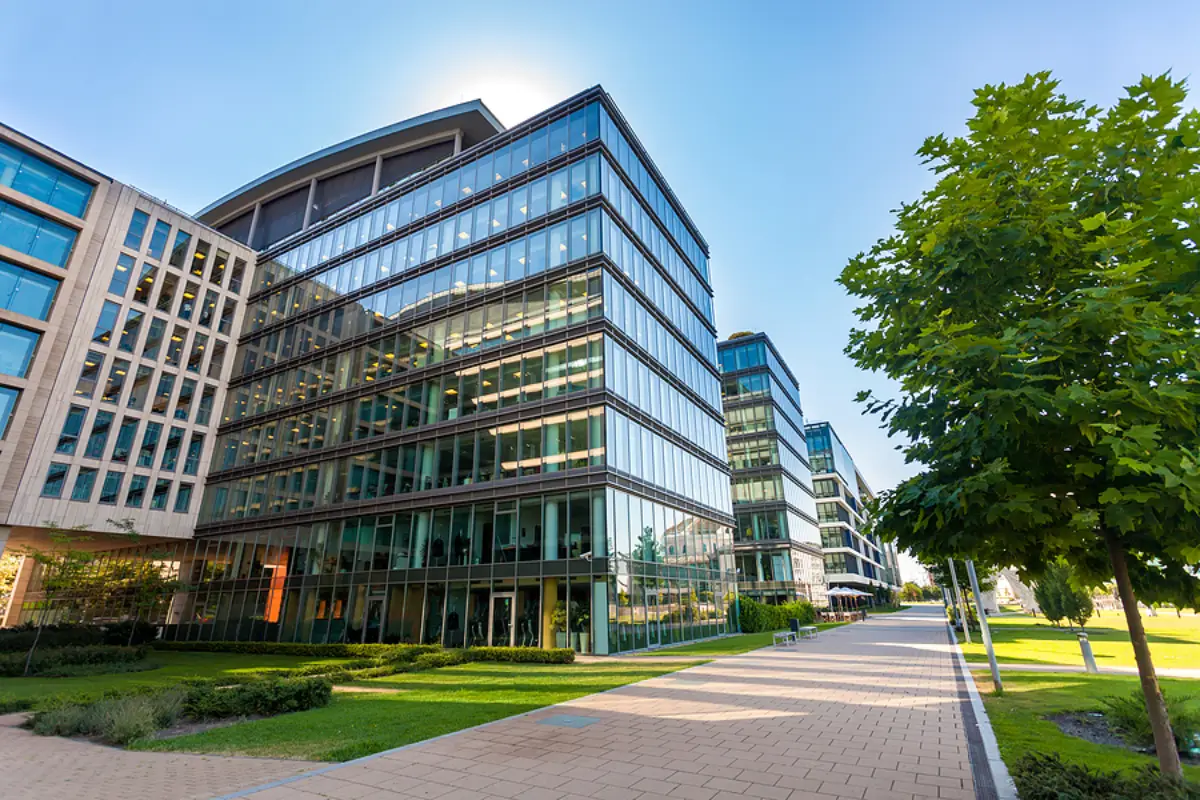
Owning a commercial property is vastly different from owning residential properties. For one, the property management responsibilities are harder in some aspects and easier in others. If you handle the business right, it can be one of the smartest investments you can make.
San Diego has a diverse economy fueled by a growing tech sector, tourism, and defense, which means there’s a steady demand for office spaces, retail storefronts, industrial warehouses, and mixed-use spaces.
The potential rental income is higher, but so are the stakes. The lease is more complex, and the regulatory environment is a nightmare. The question is: are you prepared to navigate the rental market with this kind of property?
Key Highlights:
- California and San Diego regulations are unforgiving. From the state's commercial code and Building Energy Efficiency Standards to San Diego's zoning ordinances and Land Development Code, compliance is complex and non-negotiable.
- Tenant screening goes far beyond a credit check. You need to evaluate business plans, financial statements, and industry outlook for each prospective commercial tenant, since there are no standard screening criteria that fit every type of business.
- Lease terms shape your returns for years. Structures like triple net versus gross leases, CAM charges, tenant improvement allowances, and renewal options are far more customized than residential leases, and mistakes can quietly erode profitability over a long lease term.
- Maintenance responsibilities are split, but structural costs still fall on you. Tenants typically handle interior upkeep, while owners remain responsible for the roof, foundation, external walls, load-bearing columns, and major capital repairs.
- Cash flow planning must account for longer vacancies. Commercial vacancies can stretch for months depending on asset class and location, so owners need cash reserves in addition to their initial capital investment.
Understanding the Local and State-Specific Regulations
California has some of the most tenant-protective laws in the country. Even San Diego has its own municipal requirements, making it all the more challenging to manage a commercial rental property. If you’re not familiar with these rules, it will be a steep learning curve.
California Regulations
The state’s commercial code contains several provisions that make commercial property management feel like walking in a minefield. There are divisions that outline general provisions, sales, negotiable instruments, bank deposits and collections, letters of credit, bulk sales, documents of title, and the list goes on. California’s Building Energy Efficiency Standards also set new mandates regarding energy conservation, greenhouse gas reduction, and renewable energy, which affect new construction, additions, and alterations to residential and nonresidential buildings.
San Diego Regulations
San Diego also enforces its own building and safety codes, zoning ordinances, and, depending on the location of your property, coastal development regulations. For instance, the Land Development Code requires you to self-certify which specific base zones your property falls under, and that your operations comply with local zoning use designations before obtaining a Business Tax Certificate. There are also Fire Hazard Zones and Building Standards that dictate how your property is maintained and built.
Tenant Screening and Lease Negotiation
Commercial tenants are not like residential renters. Commercial property can be converted into restaurants, medical offices, or warehouses, which means your tenants will have significantly different space requirements and build-out needs.
Tenant Screening
Since your tenants have different needs, your screening process will include evaluating business plans, financial statements, credit history, and industry outlook. There’s no standard criteria for all tenants, which means this step comes with a lot of extra work.
Instead of simply checking whether the tenant’s income can cover rent, you have to analyze whether their business plan is feasible enough to prevent nonpayment or rent in the future. Even this early on in the process, one wrong move can already put your business at risk.
Lease Negotiations
Negotiating your lease can get you in bigger trouble than you anticipate. Commercial leases are typically far more customized than residential ones, and you have to be meticulous when assessing terms like triple net (NNN) versus gross lease structures, common area maintenance (CAM) charges, tenant improvement allowances, renewal options, and exclusivity clauses.
Keep in mind that commercial leases typically last for years, as opposed to residential leases, which have month-to-month terms. Getting details wrong can trap you in a bad situation where your returns are quietly eroded for the sake of keeping the agreement intact.
Maintenance and Building Systems
Commercial buildings have more complex systems than residential properties. HVAC systems are sized for larger footprints, electrical and plumbing systems have specialized infrastructure, and life-safety systems aren’t something you can just order online. It depends on the tenant’s use, so you have to decide early on how you want your building to function.
The upside to commercial properties is that a lot of the maintenance responsibilities fall on the tenant, particularly interior maintenance and routine upkeep. However, you are still in charge of maintaining structural elements, like the roof, foundation, external walls, and load-bearing columns.
You will also be handling the capital repairs or replacements for core systems. Unlike maintenance for residential buildings, larger and more complex systems may require specialized expertise, so make sure you have vendor contacts readily available before renting out your commercial property.
Financial Management and Cash Flow
Managing a commercial property means managing more intricate accounting than a typical rental home. You’ll have to account for CAM charges, track the percentage of rent if that’s your arrangement, handle security deposits, and budget for capital improvements. You even need to prepare for long vacancies, since the demands of commercial buildings are lower than the average residential rental property.
Commercial vacancies can last for months, depending on your investment property’s asset class and location. This is the trade-off for long-term leases that commercial property landlords expect. Other than a huge capital investment, you also have to set aside cash reserves for long vacancies.
FAQs
Is managing a commercial rental property in San Diego harder than managing a residential one?
- In some ways, yes. The regulatory requirements, lease negotiations, and financial accounting are more complex. In other ways, it can be easier, since tenants often handle their own interior maintenance and leases run for much longer terms, which means less frequent turnover.
What San Diego-specific regulations should I know before renting out a commercial property?
- You'll need to understand San Diego's building and safety codes, zoning ordinances, and, if applicable, coastal development regulations. The Land Development Code requires self-certification of your property's base zone before you can obtain a Business Tax Certificate, and you should also check whether your property falls within a Fire Hazard Zone.
How is tenant screening different for commercial properties?
- Commercial tenant screening involves evaluating a business's financial statements, business plan, credit history, and industry outlook, not just personal income and credit like you would for a residential tenant. Since every commercial tenant's business is different, there's no single standard for screening.
Why It Makes Sense to Hire a Property Manager
Commercial rental properties don’t require much hands-on property management, but they do demand a certain level of expertise to ensure legal compliance and profitability. From analyzing the potential of a tenant’s business to familiarizing yourself with state and local rental laws for commercial buildings, a lot can go wrong if you don’t know your way around the sector.
Companies like Blue Line Property Management already handle several commercial properties with a success rate that’s hard to argue with. As East Bay’s highest-rated property management company, you can rest assured that your rental real estate is in good hands.
Feel free to reach out to us, and we can answer any questions you might have.
More Resources:
Must-Have Office Building Amenities in San Diego, CA for Commercial Tenants
How To Choose Which Commercial Property to Rent For Business in San Diego